
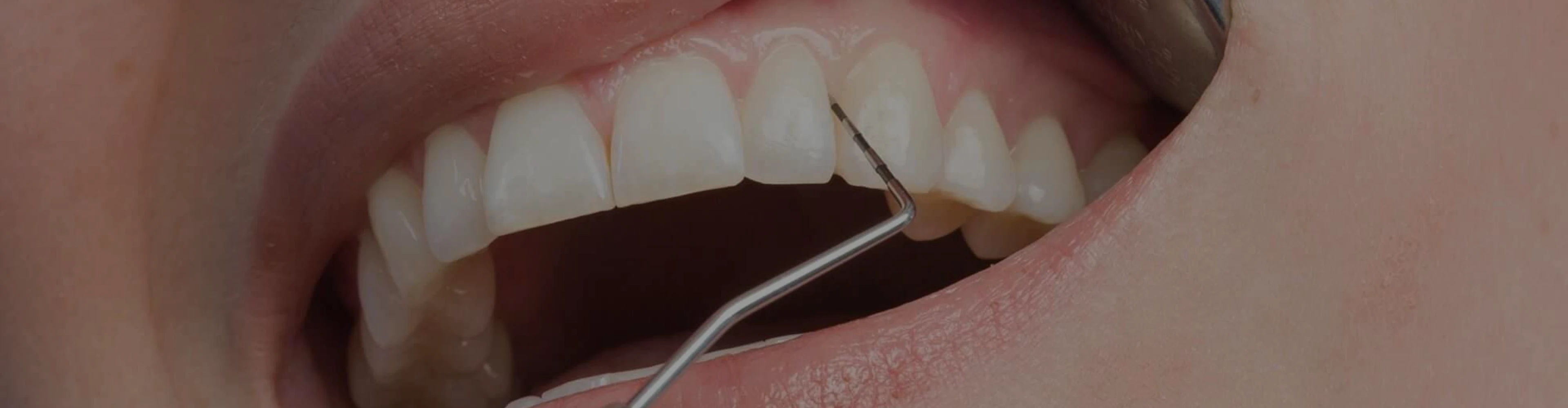
Keep your gums and teeth healthy
Periodontal diseases, also known as periodontitis, affect the gums and jawbone that support our teeth. These infectious diseases are very common, affecting approximately 80% of adults at various stages of their lives. If left untreated, they can cause serious problems, such as tooth loss and complications for overall health, as bacteria can spread throughout the body.
Fortunately, there are effective solutions. At the Claude Monet dental practice in Croissy-sur-Seine, we offer tailored treatments to keep your gums and teeth healthy.
Periodontal treatments enable deep cleaning of affected areas, elimination of harmful bacteria, and strengthening of the gums. The earlier treatment is started, the easier it is to restore oral health and prevent recurrence. By taking care of their gums, patients not only protect their teeth, but also their overall health and comfort.
What are the symptoms of periodontal disease?
Periodontal diseases usually develop due to a buildup of bacterial plaque, which leads to inflammation and, in more severe cases, destruction of the supporting tissues. They progress through several stages, from the initial stage of gingivitis to advanced periodontitis. It is crucial to recognize the early symptoms in order to act quickly and avoid more serious complications.
Gingivitis: the initial stage
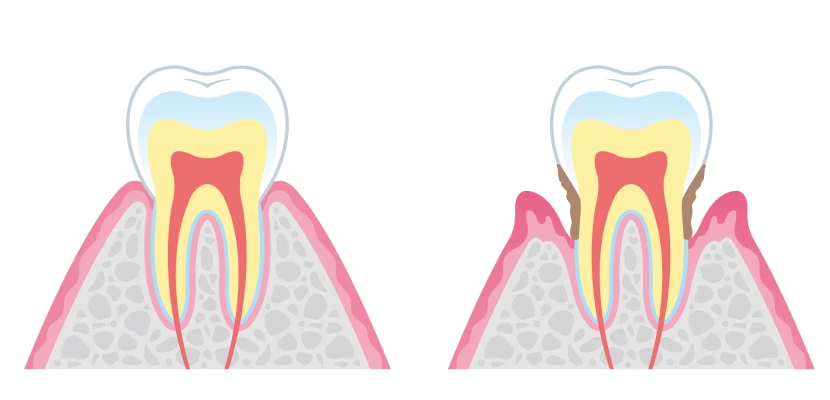
Gingivitis is the first stage of periodontal disease.
It manifests as red, swollen gums that may bleed easily when brushing or flossing. At this stage, damage to the gums is reversible if treatment is carried out quickly and good oral hygiene is adopted.
Periodontitis: an advanced stage
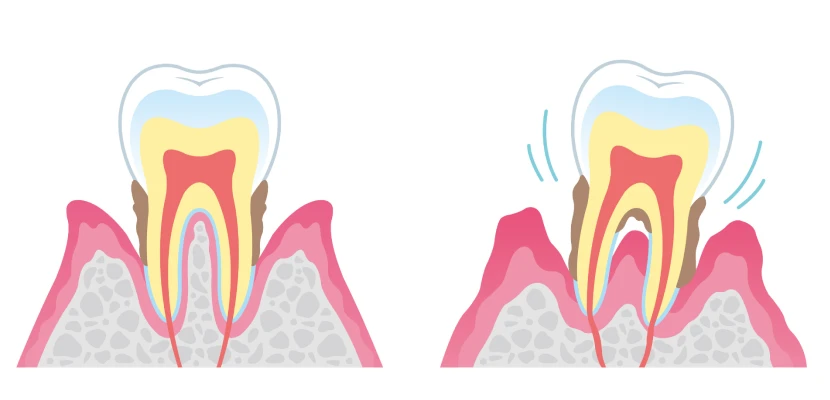
When gingivitis is left untreated, it can progress to periodontitis.
At this stage, the gums begin to recede and form pockets around the teeth. These pockets allow plaque and bacteria to accumulate, leading to the gradual destruction of bone and supporting tissues. If this destruction continues, it can lead to tooth loss.
Warning signs
In addition to red and swollen gums, other signs indicate the presence of periodontal disease:
- Receding gums, making teeth appear longer.
- Increased tooth sensitivity, especially to hot and cold temperatures.
- Persistent bad breath.
- Dental mobility or the feeling that your teeth are moving.
- Pus between the gums and teeth.

Causes of periodontal disease
Periodontal diseases have multiple causes, and it is important to understand them without feeling guilty. In fact, they result from a combination of factors, and everyone can take action to improve their oral health.
Dental plaque and tartar
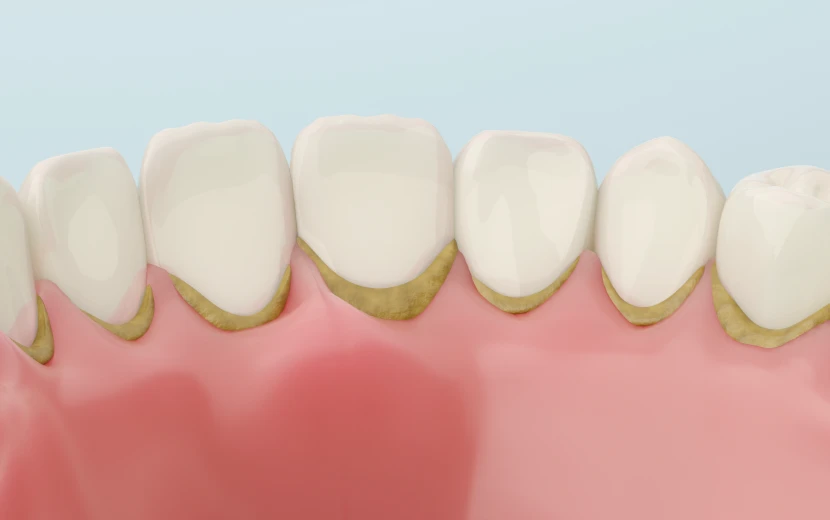
The main cause is the accumulation of bacterial plaque, an invisible film that continuously forms on teeth. Without rigorous hygiene (proper brushing technique, daily use of interdental brushes or dental floss), this plaque can harden and turn into tartar within 24 hours, creating pockets of bacteria that attack the gums. This process is not always visible, and even with good hygiene, it is normal for some people to be more vulnerable due to factors such as genetics, stress, or certain lifestyle habits.
Aggravating factors
Certain factors can aggravate periodontal disease, such as:
- Smoking: it reduces the gums’ ability to heal and promotes tissue destruction.
- Systemic diseases: Conditions such as diabetes weaken the immune system and increase the risk of periodontal disease.
- Hormonal changes: In women, hormonal fluctuations during pregnancy or menopause can make the gums more susceptible to infection.
- Stress: it weakens the immune system, making the body less able to fight infections.

It is therefore not a question of looking for someone to blame, but rather understanding that gum health depends on several factors. By working together and taking appropriate action, it is entirely possible to prevent and treat these diseases in order to maintain healthy gums and strong teeth.
At Claude Monet Dental Clinic, we emphasize that this treatment plan is a long-term health choice, and our role is to support you every step of the way to find the solutions that are right for your situation.
Treatments for periodontal diseases
The treatment of periodontal disease varies depending on its severity. At the Claude Monet dental practice in Croissy-sur-Seine, each patient receives a personalized treatment plan to eliminate infection and restore gum health.
We favor a modern approach that respects gum health, medical periodontology (no surgery as a first resort), which offers several key advantages:
- Less discomfort: Thanks to less invasive techniques and advanced tools, patient comfort is maintained during and after treatment.
- Quick recovery: Procedures are designed to minimize tissue trauma, allowing for faster healing and a return to normalcy in no time.
- Increased effectiveness: By focusing on specific methods, gentle periodontics effectively targets affected areas while preserving healthy tissue.
Our goal is to work transparently with our patients and create a therapeutic partnership, because as with any medical treatment, its success depends on several factors:
- Stage of the disease.
- Patient adherence.
- Individual factors.
- Continuous care.
In summary, medical periodontology can be very effective, but its success is not 100% guaranteed. It is crucial to combine professional treatment with personal efforts to achieve the best possible results.
What is root planing and why is scaling alone not enough to treat periodontitis?
Scaling is the cleaning of the visible surfaces of the teeth to remove plaque and tartar that has accumulated above the gum line. It is a maintenance treatment, ideal for people with healthy gums. However, in the case of periodontal disease, tartar and bacteria are not only found on the surface. They lodge deeper, around the roots of the teeth, in pockets that have formed between the gums and the teeth.
This is where root planing comes in. It is a deep cleaning, beyond the gum line, to reach the roots and remove bacteria embedded in periodontal pockets. This planing also smooths the surface of the roots, which helps the gums adhere better to the tooth and reduces reinfection.
For optimal periodontal health, simple scaling is not enough. In cases of periodontal disease, it is essential to treat the affected areas thoroughly to target the areas where bacteria persist. This comprehensive approach stops the infection, cleans up the bone, and gives the gums the best chance to heal and regain their protective role.
Antibiotics
In some cases, antibiotics may be prescribed to reduce bacterial infection. They can be administered in tablet form or applied directly into the periodontal pockets. Antibiotics are not a substitute for mechanical treatment (scaling), but they complement the action of dental care.
Prevention of periodontal disease
- Daily oral hygiene
Regular brushing twice a day and daily use of interdental brushes are key to preventing plaque buildup. Use a soft toothbrush and replace it every three months (at the start of each season, for example!).
- Regular maintenance at your dentist
After treatment for periodontal disease, even with rigorous oral hygiene, regular maintenance is essential for several reasons:
- Prevention of recurrence.
- Monitoring periodontal pockets.
- Stabilization of healing.
- Personalization of hygiene care.
In short, periodontal maintenance is an investment in the long-term stability and health of your gums and teeth.
- Quitting smoking
Smoking is a major risk factor for periodontal disease. If you smoke, quitting can significantly improve your gum health and reduce the risk of tooth loss.
Why choose Claude Monet Dental Clinic for periodontal disease treatment?
- Expertise and advanced technologies
- Personalized treatment plan
- A comfortable and secure environment
Keep your gums healthy with periodontal treatment at the Claude Monet dental practice.
Frequently asked questions
Le traitement est-il douloureux ?
No. Surface treatment is not painful: it is performed using very gentle and precise ultrasonic inserts designed to preserve tissue, and local anesthesia can be offered if necessary for total comfort.
Peut-on guérir les maladies parodontales ?
They can be stabilized, especially if caught early.
Combien de temps dure le traitement ?
It depends on the stage, from one session to several appointments, with follow-up.
Est-ce pris en charge ?
Not by social security, but check with your mutual insurance company. During your consultation at the Claude Monet practice, you will be provided with a personalized quote. This type of treatment is not covered by social security. Some mutual insurance companies may cover part of the costs. We recommend that you check with your insurance company to find out about your reimbursement options.