
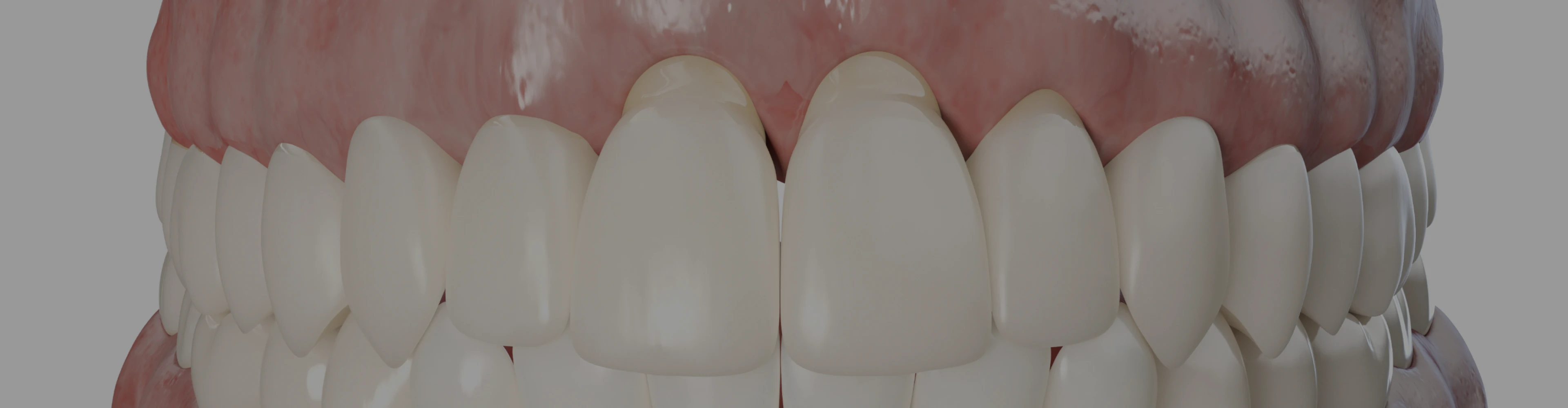
Welcome to the Claude Monet dental practice in Croissy-sur-Seine. Today, we’re exploring a crucial aspect of the health of your teeth and gums: gingival recession. This condition, which can seriously compromise your oral health, should not be neglected.
What is gingival recession?
Gingival recession, often seen when teeth appear to lengthen and gums recede, is a warning sign. This phenomenon indicates that the gum tissue surrounding the teeth is receding, further exposing the tooth and its root.
Signs to look out for
Recognizing the early signs of gingival recession is crucial. Increased sensitivity, teeth that appear longer or a change in gum line are all warning signs. If you notice any such changes, it’s advisable to seek immediate medical advice.
Associated risks
Without intervention, gingival recession can lead to severe complications, such as tooth loss, for someone suffering from periodontal disease. This condition exposes tooth roots to bacterial attack, increasing the risk of cavities and other infections.
Other risks
If the patient wears braces, he or she must maintain impeccable hygiene, and consult the orthodontist regularly to ensure that the gums remain comfortable and well maintained throughout treatment.
The main causes of gingival recession
A number of factors can lead to receding gums. Identifying them is essential to treating the condition effectively.
Periodontitis
This serious periodontal infection is often the cause of gingival recession. It is caused by the accumulation of plaque which, if not removed, turns into tartar and can lead to loss of the bone supporting the teeth, as well as severe inflammation.
Inappropriate brushing
Brushing too vigorously, or using a toothbrush with hard or medium bristles, can also damage gums. It’s important to choose the right brushing tools and techniques to protect your gums.
Preventing gingival recession
Prevention is the best defense against gingival recession. Here are a few tips to keep your gums healthy.
- Daily dental hygiene
Gentle brushing twice a day, combined with the use of dental floss or interdental brushes, is essential to limit plaque and tartar build-up.
- Regular dental consultations
Regular visits to your dentist can detect and treat problems before they become serious. Your dentist may also suggest specific treatments to repair gums already affected.
- Choice of brushing equipment
Use a soft-bristled toothbrush and gentle brushing techniques to avoid damaging your gums.
When should you see your dentist?
If you suspect gingival recession or notice any changes in your mouth, make an appointment immediately. Early diagnosis and appropriate treatment can limit or even halt damage and protect your smile.
Our team at Claude Monet Dental Office is here to help you maintain impeccable oral hygiene and treat any gingival recession. Don’t hesitate to contact us for a complete review.
This site is registered on wpml.org as a development site. Switch to a production site key to remove this banner.