

Implantology is a reliable solution for replacing missing teeth. Whether you’ve lost one or more teeth, dental implants can restore your smile. They also improve quality of life by making chewing easier and strengthening tooth structure. Here’s how implantology works at Cabinet dentaire Claude Monet.
Understanding the concept of dental implants
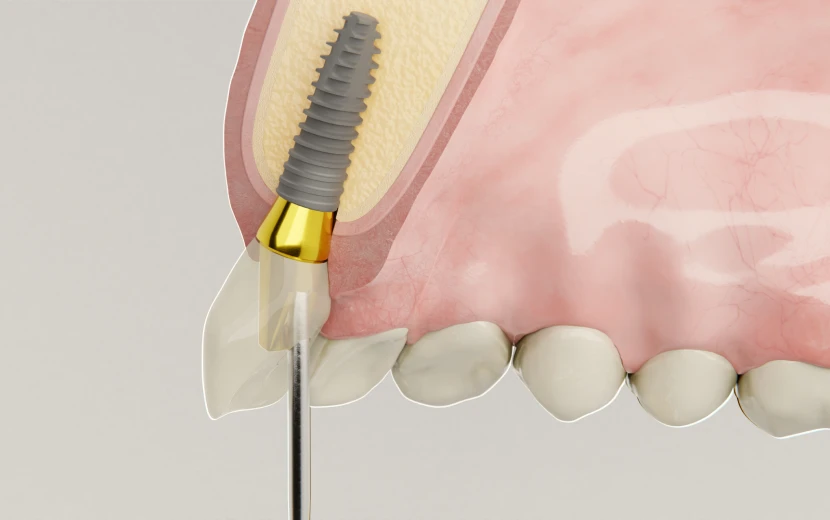
A dental implant is an artificial root inserted into the jawbone to replace the root of a missing tooth. Made from biocompatible materials, it ensures perfect integration into the jawbone. As a result, you benefit from a solid foundation for the placement of a crown, bridge or denture.
Why choose a dental implant?
There are several advantages to opting for a dental implant. It preserves the integrity of the jawbone. Without it, bone loss occurs naturally over time after tooth loss.
What’s more, dental implants are a long-lasting solution. Unlike removable prostheses, which require frequent adjustment, an implant can last a lifetime if properly cared for. It also guarantees optimum comfort during chewing, with no risk of displacement.
Last but not least, implants can be used to replace one or more teeth without affecting neighboring teeth. Unlike traditional bridges, no healthy teeth are altered to support the restoration.
Who is implantology for?
Implantology is ideal for anyone who has lost one or more teeth. However, certain conditions must be met before a dental implant can be placed. Good oral health is essential. If you suffer from gum disease or cavities, these will need to be treated before any procedure.
In addition, it is essential to have sufficient bone in the jaw to support the implant. If this is not the case, a bone graft could be considered.
During your consultation at Cabinet dentaire Claude Monet, a thorough examination will determine whether you are a good candidate for implantology.
The implant procedure
There are several stages in the dental implant placement process. Here’s how the process generally works.
Step 1: The initial consultation
The first step is to consult your dentist at Cabinet dentaire Claude Monet. You’ll discuss your needs and expectations.
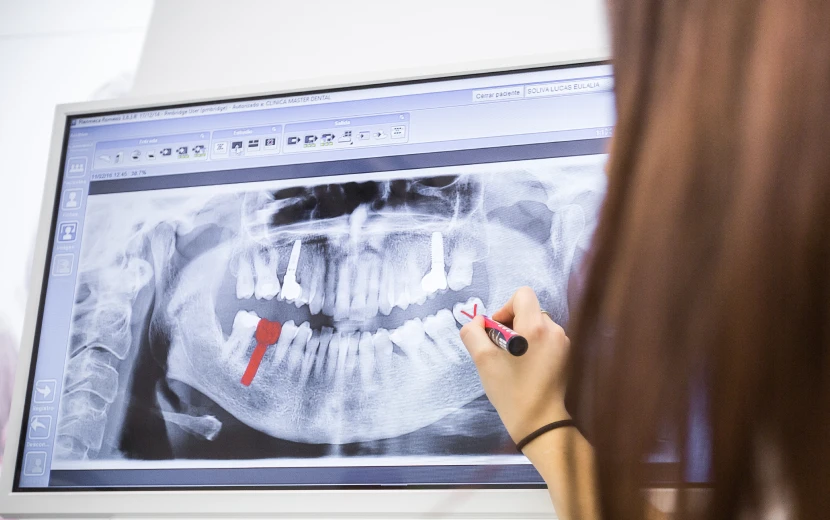
A complete clinical examination will be performed to assess the condition of your mouth. A 3D scanner will be used to analyze the bone density and anatomy of your jaw.
Following this analysis, a personalized treatment plan will be drawn up. This will define the stages of the process and the type of dental implant best suited to your situation. You will also discuss anesthesia options to ensure maximum comfort during the procedure.
Step 2: Implant placement
The implant procedure is performed under local anaesthetic. The dental surgeon carefully places the small titanium screw – a material that is very well tolerated by the body – which will support the future tooth.
During the healing process, which takes a minimum of 3 months, the implant integrates naturally into the bone.
Step 3: Laying the crown
Once osseointegration is complete, a crown is placed on the implant. An abutment is attached to the implant to support the prosthesis. Your dentist will take an impression of your teeth to make a custom crown. This device mimics the appearance and function of your natural teeth.
The ceramic crown offers long-lasting durability and optimal esthetic results. You’ll regain full chewing function and a harmonious smile.
Post-operative care and implant maintenance
To ensure the success of your implant, regular follow-up is essential. Here are the precautions to take after implant placement.
Immediate care after surgery
Immediately after the procedure, it’s normal to feel a little discomfort or swelling. Your dentist will prescribe painkillers to relieve this sensation and antibiotics to prevent infection. It is also advisable to avoid chewing on the implant side for the first few days.
Soft, cold foods are recommended for the first 48 hours. Avoid hot or hard foods that could irritate the operated area. Finally, rinse your mouth with an antiseptic solution after each meal to prevent infection.
Long-term maintenance
A dental implant requires the same care as your natural teeth. Brush your teeth twice a day and use dental floss or an interdental brush to clean around the implant. You should also see your dentist regularly for check-ups.
Plaque build-up around the implant can lead to inflammation of the gums, known as peri-implantitis. If left untreated, this infection can compromise the implant. So it’s essential to maintain good oral hygiene and consult your dentist at the first sign of inflammation.
Implantology is an effective method of replacing missing teeth. It not only restores an aesthetic smile, but also optimal chewing function.
At Cabinet dentaire Claude Monet in Croissy sur Seine, you’ll benefit from personalized support throughout your dental treatment. If you’re considering this solution for replacing your teeth, contact us for a consultation and we’ll be delighted to meet your needs.