
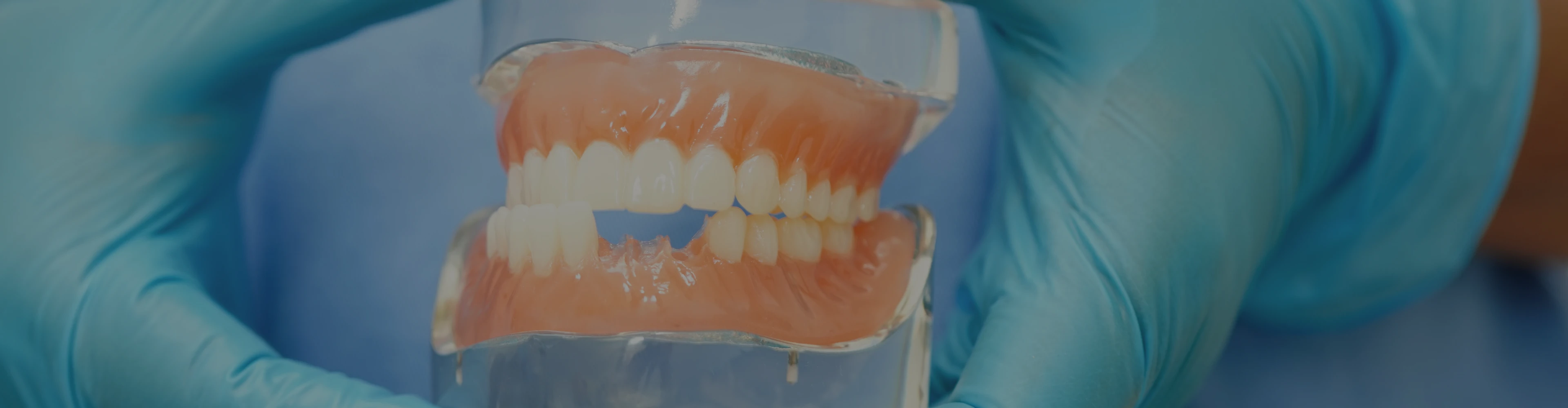
Biological extraction is a method designed to minimize trauma to surrounding tissues during tooth extraction. This respectful approach focuses on preserving natural structures and promoting better healing.
At Cabinet dentaire Claude Monet, located in Croissy-sur-Seine, this technique is favored to guarantee care tailored to your needs.
Understanding biological extraction
Biological extraction is based on principles that promote faster, less painful healing. Unlike conventional methods, which can damage gums and alveolar bone, this approach seeks to preserve these structures as much as possible. This facilitates healing and reduces complications.
The main objective is to remove the tooth atraumatically, i.e. with minimal damage to the surrounding tissue. This includes preserving the bone and gums.
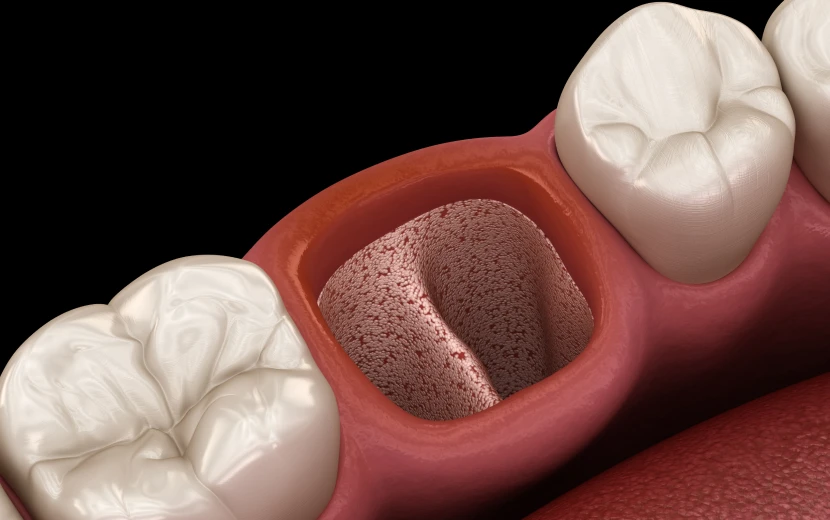
The advantages of this method are numerous, especially for patients with special needs or chronic oral health problems.
Preserving tissue and minimizing trauma
In a traditional extraction, the techniques employed can sometimes cause damage to adjacent tissues. This can lead to significant bone loss, making subsequent placement of dental implants more difficult. Biological extraction, on the other hand, uses instruments and techniques that preserve tissue integrity. This approach is particularly useful for patients wishing to replace a tooth with an implant. Maintaining the alveolar bone is essential for implant stability.
By limiting trauma, this technique also reduces post-operative pain. This leads to faster healing, less swelling and a reduced risk of infection.
Biological extraction steps
Biological extraction follows a precise process to minimize trauma. Here are the main steps:
- Initial preparation: The dentist begins by assessing the tooth to be extracted and the condition of the surrounding tissue. X-rays are taken to get a clear view of the tooth structure and its placement in the bone. This assessment enables a gentle extraction to be planned.
- Local anesthesia: A local anesthetic is applied to numb the area to be treated. This ensures maximum comfort for the patient. Unlike some more invasive methods, biological extraction uses a minimal dose of anesthesia, as the operation is generally less traumatic.
- Atraumatic extraction: Using special tools, the dentist carefully detaches the tooth from its bone and ligament attachments. This step is performed with precision to avoid damage to the gums or bone.
- Guided healing: Once the tooth has been removed, particular attention is paid to preserving bone and tissue. In some cases, bone-filling materials may be used to promote alveolar bone regeneration, especially if an implant is planned afterwards.
Advantages of biological extraction
Biological extraction offers many advantages over conventional extraction. Firstly, it reduces the risk of bone loss, which is essential for patients wishing to receive a dental implant after extraction. By preserving bone and gums, recovery time is also reduced.
What’s more, this technique minimizes post-operative pain. Patients often report less pain, less swelling and faster recovery. What’s more, the use of atraumatic tools significantly reduces the risk of infection.
Finally, for patients suffering from gum disease or other oral health problems, biological extraction is a gentler solution, better adapted to their needs. It promotes natural healing and limits complications.
Post-extraction care and healing
After extraction, it’s essential to follow the dentist’s recommendations to ensure optimal healing. Here are a few tips to promote healing:
- Avoid rinsing: For the first 24 hours, it’s important not to rinse out your mouth to avoid disrupting the coagulation process.
- Use gentle mouthwashes: After 24 hours, you can start using antiseptic mouthwashes prescribed by your dentist to keep the area clean.
- Avoid smoking: Smoking slows down the healing process and increases the risk of infection.
- Eat soft foods: Choose soft, lukewarm foods for a few days to avoid irritating the area.
- Stay hydrated: Drink plenty of water, but avoid hot or fizzy drinks.
By following these recommendations, you can speed up the healing process and avoid complications.
Why choose biological extraction at Cabinet dentaire Claude Monet?
At Cabinet dentaire Claude Monet in Croissy-sur-Seine, we use gentle, respectful techniques to ensure your comfort and health. Our dentists are trained in biological extraction techniques, which minimize risks and promote rapid, uncomplicated healing. What’s more, we use high-quality materials to support bone regeneration, if necessary, and to prepare the area to receive an implant.
Our team is on hand to answer all your questions and support you before, during and after the procedure. If you require a tooth extraction, we invite you to contact us to make an appointment and discuss the best approach for your situation.
Biological extraction is a gentle and respectful solution to your dental health needs. Thanks to this technique, you’ll benefit from rapid healing, improved post-operative comfort and better preservation of your tissues. At Cabinet dentaire Claude Monet, we do our utmost to offer you care tailored to your expectations, while respecting the principles of biological extraction. If you have any questions or would like to find out more about this method, please do not hesitate to contact us for an appointment.
Frequently asked questions
Accordeon Item Header
Pourquoi faut-il parfois extraire une dent ?
Common reasons include infection or decay too extensive to be repaired. In some cases, a severe tooth fracture may render the tooth unrepairable, necessitating extraction.
Comment se déroule une extraction biologique ?
Biological extraction is performed atraumatically, using gentle techniques to limit trauma. The site of the extracted tooth is cleaned of any infected tissue, and healing is promoted by preserving the alveolar bone.
Quelles précautions dois-je prendre après une extraction biologique ?
After extraction, it’s important to follow your dentist’s post-operative instructions. Avoid talking for the first few hours to avoid disrupting coagulation, apply ice to limit swelling, and sleep with your head elevated to promote healing.