
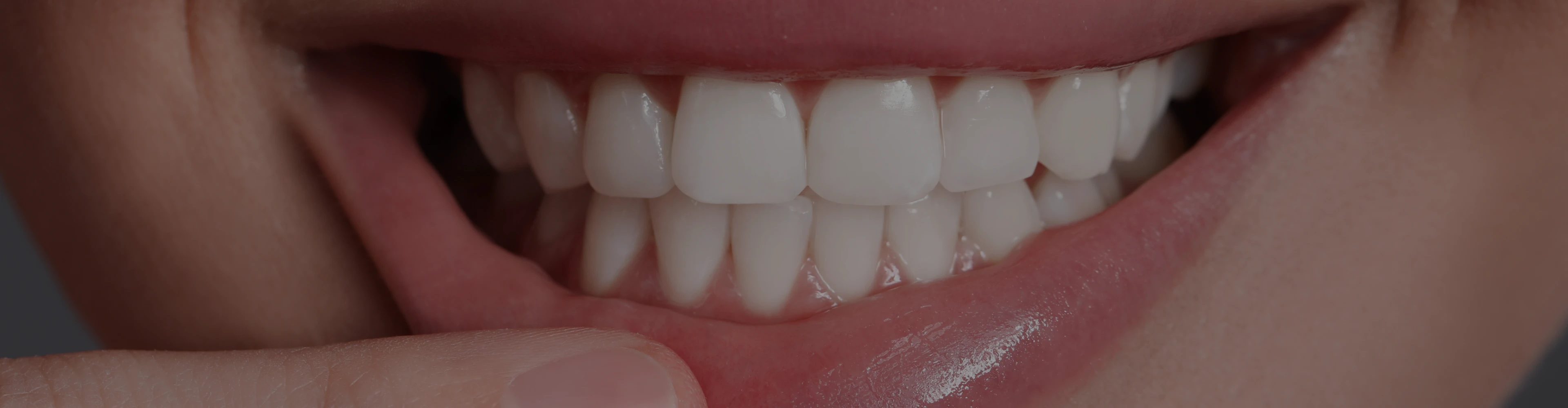
Gingival grafting is a surgical treatment designed to repair retracted or damaged gums, often caused by periodontal disease, poor oral hygiene or over-aggressive brushing. This type of grafting helps protect exposed tooth roots and restore an aesthetic gumline.
At the Claude Monet dental practice in Croissy-sur-Seine, you can benefit from expert care to restore healthy gums and a harmonious smile thanks to gingival grafting.
When should you opt for a gingival graft?
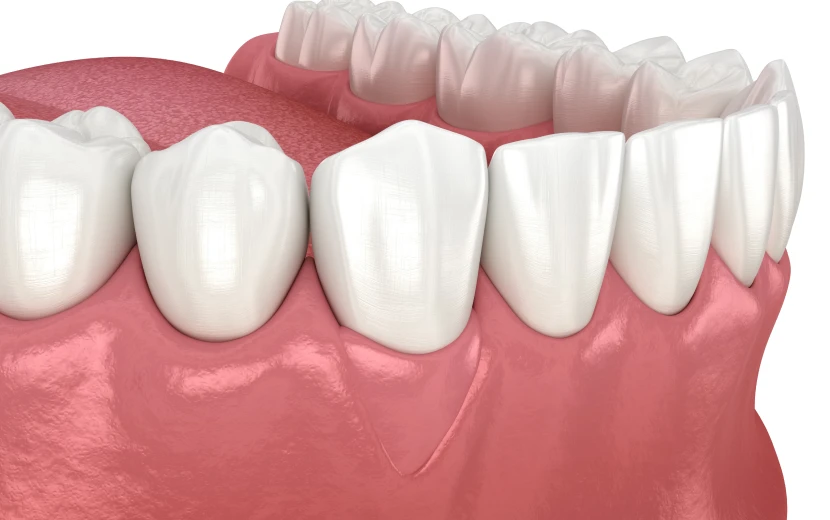
Gingival grafting is often indicated when the gums recede and expose the roots of the teeth, a phenomenon known as gingival recession. This problem can lead to increased sensitivity, cavities on the exposed root and even long-term tooth loss. Here are some signs that you may need a gum graft.
- Gingival recession
If you notice that your teeth appear longer or that the gums are receding, gingival grafting may be necessary. This phenomenon exposes the root of the tooth, making the area more sensitive and vulnerable to decay. The graft covers the exposed root and prevents further complications.
- Tooth sensitivity
Gum recession exposes the roots of your teeth, which can lead to increased sensitivity to cold, sweet, acidic or hot foods. If you experience this type of sensitivity, a gum graft may be the solution to protect your teeth and reduce this uncomfortable sensation.
- Preventing periodontal disease
Gum recession can also lead to inflammation or infection of the gum tissue. If your gums are red, swollen or bleed easily, a gingival graft can help restore healthy tissue and prevent the progression of periodontal disease.
The benefits of gingival grafting
Gingival grafting offers a number of advantages, both aesthetically and in terms of oral health. Here’s why you should consider this treatment to restore your gums and protect your teeth.
- Tooth root protection
Gingival grafting covers exposed tooth roots, reducing the risk of root caries and tooth sensitivity. By re-establishing adequate root coverage, the graft also protects teeth from wear and tear caused by chewing and external aggression.
- Improved aesthetics
By restoring the gum line, grafting improves the appearance of your smile. Teeth appear more balanced and less long, offering a more harmonious aesthetic. If you’re concerned about the appearance of your gums, this treatment is ideal for restoring a natural smile.
- Preventing future complications
By correcting gingival recession, you reduce the risk of future complications such as bone or tooth loss. Gingival grafting strengthens the gums and stabilizes the teeth. This treatment helps you maintain a healthy mouth over the long term.
How is a gingival graft performed?
Gingival grafting is a simple, effective procedure that is generally carried out in several stages. Here’s how it’s performed at the Claude Monet dental practice in Croissy-sur-Seine.
- First consultation
During the initial consultation, your dentist will assess the condition of your gums and the severity of gingival recession. Once the assessment is complete, he or she will explain the procedure in detail and determine the grafting technique best suited to your situation.
- The transplant process
Gingival grafting is performed under local anaesthetic to ensure your comfort during the procedure.
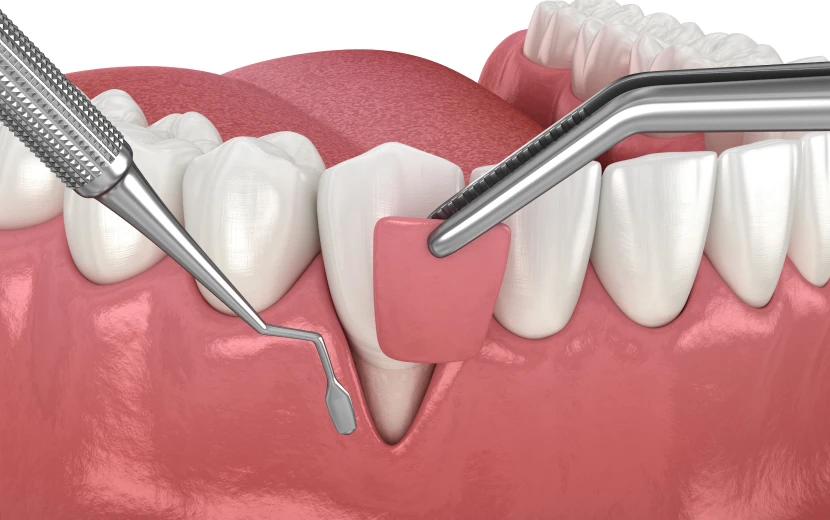
At the Claude Monet practice, our experts use an acellular dermal matrix that allows an alternative without removing tissue from the patient’s palate, thus reducing pain and recovery time. This matrix offers optimal biocompatibility.
After preparing the affected area, the dental surgeon places the matrix over the exposed area and stabilizes it with stitches. The matrix stimulates tissue regeneration and promotes the integration of existing gum tissue, enabling progressive coverage of the tooth root.
After the operation
After the graft, your dentist will give you specific instructions on how to care for your gums during the healing process. Mild sensitivity or discomfort may be experienced in the days following the procedure, but this usually disappears quickly. Adherence to the dentist’s recommendations is essential to ensure proper healing and successful grafting.
Gum care after gingival grafting
After gingival grafting, it’s crucial to maintain good oral hygiene to ensure successful treatment and prevent future recession. Here are some tips on how to maintain your gums after the procedure.
- Oral hygiene
During the healing period, you’ll need to take special care to avoid irritating the treated area. Use an extra-soft (surgical) toothbrush for 1 month and avoid rubbing directly on the grafted gums. Your dentist may also recommend an antiseptic mouthwash to promote healing.
- Regular checks
It’s important to visit your dentist regularly after the grafting procedure to check the condition of your gums and monitor healing progress. These checks also ensure that no complications, such as infection or further recession, develop.
- Suitable nutrition
After the operation, prefer a soft, lukewarm diet to avoid irritating the grafted area. It is advisable to avoid hard, crunchy or spicy foods that could cause discomfort or damage the graft. A balanced diet rich in vitamins, particularly vitamin C, helps speed healing.
Why choose the Claude Monet dental practice for your gingival graft?
The Claude Monet dental practice in Croissy-sur-Seine offers you a professional and reassuring setting for your gum care. Here’s why you can trust our team to carry out your gingival grafting.
- Expertise and personalized care
Every case of gum recession is unique, and at Claude Monet, care is tailored to your specific needs. After a thorough evaluation, your dentist will propose a personalized treatment plan to restore your gums effectively and sustainably.
- Cutting-edge technologies
The practice is equipped with the latest technology in gum surgery, enabling precise and minimal interventions. Thanks to these technologies, treatment is more comfortable and recovery faster. The use of modern equipment guarantees optimal results, both functionally and aesthetically.
- Comfort and safety
Patient comfort is a priority at Claude Monet. The practice’s soothing, modern environment reduces any treatment-related anxiety. What’s more, all procedures are carried out in strict compliance with health and safety standards, ensuring treatment in complete confidence.
Protect your teeth with a gingival graft at the Claude Monet dental surgery!
Gingival grafting is an effective solution for restoring the health of your gums and protecting your teeth from future complications. When you choose the Claude Monet dental practice in Croissy-sur-Seine, you benefit from personalized treatment carried out with care by an experienced team. Make an appointment today to restore your gums to full health and preserve your smile for the long term.
Frequently asked questions
La greffe gingivale est-elle douloureuse ?
Gingival grafting is performed under local anesthetic, so you won’t feel any pain during the procedure. After the operation, slight sensitivity may be present, but this usually disappears within a few days. Your dentist may recommend painkillers to relieve any discomfort.
Combien de temps dure la guérison après une greffe gingivale ?
Complete healing after a gingival graft usually takes a few weeks. However, you’ll be able to resume your normal activities after a few days. Adherence to your dentist’s recommendations is essential for a rapid and uncomplicated recovery.
Les résultats d’une greffe gingivale sont-ils permanents ?
With good oral hygiene and regular visits to the dentist, the results of a gingival graft can last for years. However, it’s important to adopt good habits to avoid further gum recession, such as gentle brushing and the use of interdental brushes.
Le coût d’une greffe gingivale est-il élevé ?
The cost of a gingival graft depends on the technique used and the extent of the treatment. During your consultation at the Claude Monet surgery, you will be provided with a personalized estimate. This estimate will take into account your specific needs and situation.
La greffe gingivale est-elle couverte par la sécurité sociale ?
Gingival grafts are not covered by social security. Some mutual insurance companies may also cover part of the cost. We recommend that you check with your insurance company to find out what your reimbursement options are.