

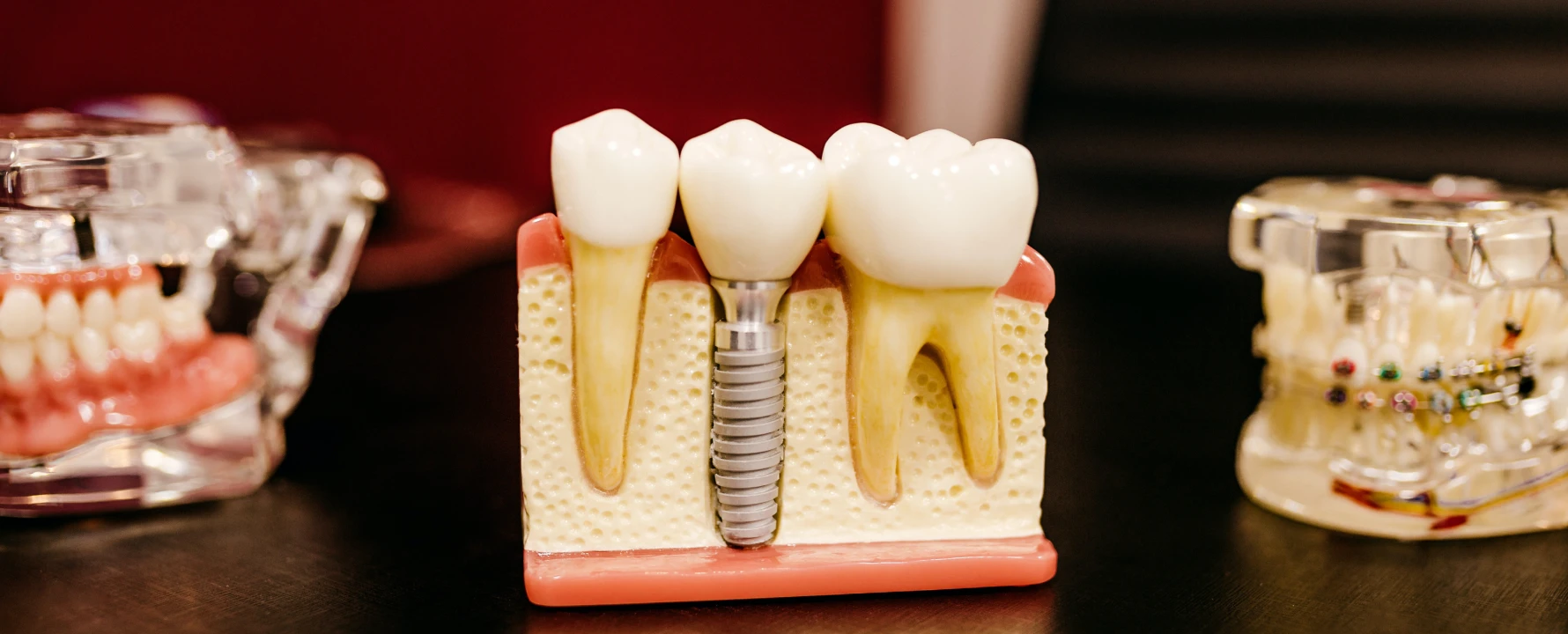
Bone grafting is a surgical treatment used to strengthen the jawbone when there isn’t enough bone for a dental implant. This lack of bone can be due to a number of factors, such as periodontal disease, an old tooth extraction or natural bone resorption. Bone grafting restores alveolar bone structure, providing a solid foundation for implant placement.
At the Claude Monet dental practice in Croissy-sur-Seine, you can benefit from this precision-engineered procedure, guaranteeing the future success of your dental implants.
When should you opt for a bone graft?
Bone grafting is often necessary before placing a dental implant if the jawbone structure is insufficient. Here are the most common situations in which this treatment is recommended.
- Bone loss due to tooth extraction
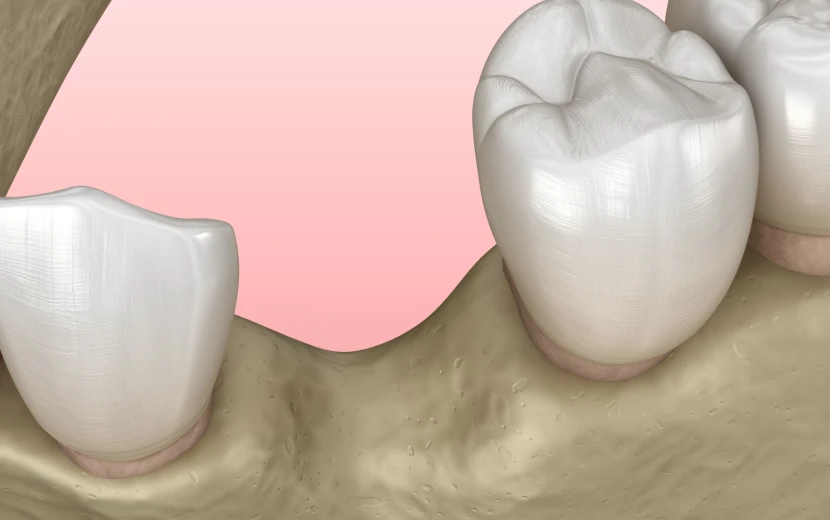
When you lose a tooth and it’s not replaced quickly, the jawbone can resorb over time. This happens because the bone surrounding the tooth is no longer stimulated by chewing. A bone graft restores this bone loss and prepares the site for implant placement.
- Periodontal disease
Periodontal disease, or periodontitis, can lead to the destruction of the alveolar bone that holds teeth in place. If this bone loss is significant, a bone graft is often necessary to restore the bone structure before any other procedure, such as implant placement.
The benefits of bone grafting
Bone grafting offers many advantages for preparing the jaw for dental implants and improving oral health. Here’s why this treatment is essential in certain situations.
- Jaw strengthening
The main benefit of bone grafting is to restore and strengthen the jawbone so that it can accommodate a dental implant. By rebuilding lost bone, you create a strong, durable foundation for implant placement. This ensures the stability of the dental restoration and increases its longevity.
- Preserving facial aesthetics
Bone loss in the jaw can affect the appearance of your face, making it appear hollow or sagging. By restoring bone volume through grafting, you can help maintain the structural integrity of your face. This treatment helps preserve the natural aesthetics of your smile and facial profile.
- Preventing future complications
By strengthening the jawbone, bone grafting reduces the risk of complications associated with implant placement. An insufficient bone base can lead to dental implant failure. By opting for a bone graft, you maximize the long-term success of your restoration.
How is a bone graft performed?
The bone grafting process takes place in several stages. The procedure is carried out at the Claude Monet dental surgery, with every precaution taken to ensure patient safety and comfort.
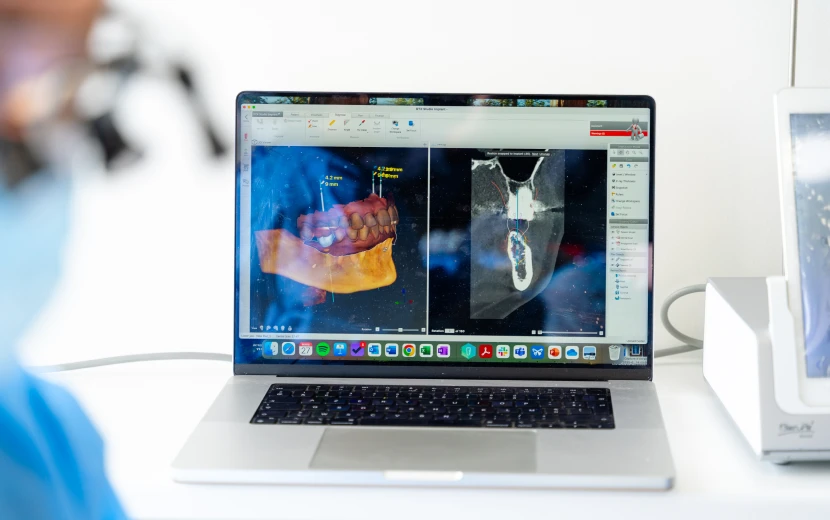
During your initial consultation, your dentist will evaluate the structure of your jaw using X-rays or a CT scan. This examination determines the amount of bone available and whether a bone graft is necessary before placing an implant. Based on the results, a personalized treatment plan is proposed.
Types of bone grafts
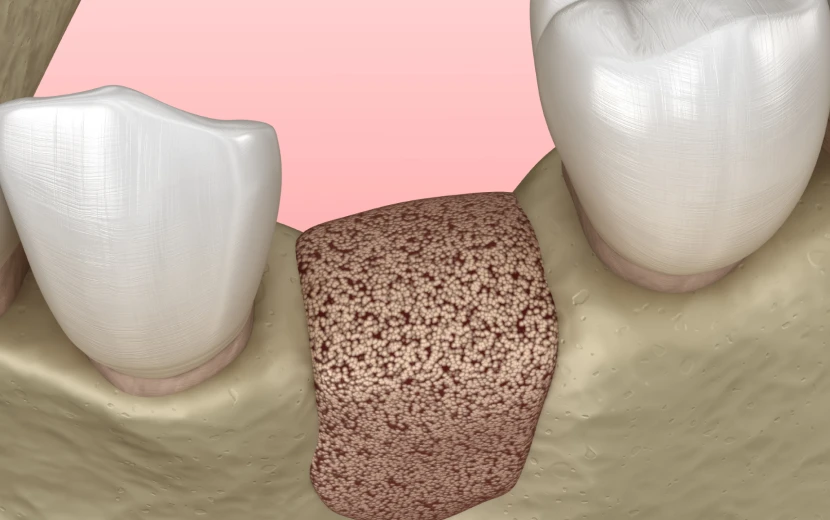
There are several bone grafting techniques, depending on the amount of bone missing and the location of the treatment site. Your dental surgeon will explain the most appropriate technique for your situation.
At the Claude Monet dental practice, depending on your needs and natural resources, we use either your native bone or bone substitutes, i.e. synthetic or bioactive materials to stimulate bone regeneration.
The surgical procedure
Bone grafting is performed under local anaesthetic to ensure your comfort. If necessary, sedation may also be offered to help you remain relaxed during the procedure. Next, the graft is placed in the area to be treated and covered by the gum, which is then sutured. The graft will gradually stimulate natural bone growth.
After the operation
After the operation, you will receive precise instructions to promote healing. Recovery from bone grafting may take a few months, while the new bone develops and fuses with the existing bone. It’s important to follow your dentist’s recommendations and attend post-operative check-ups to ensure the success of the graft.
Caring for your jaw after bone grafting
After a bone graft, it’s essential to take good care of your jaw to promote healing and ensure the success of the procedure. Here are a few tips to ensure optimal recovery.
- Oral hygiene
After the transplant, maintain good oral hygiene to prevent infection. Use a soft toothbrush to clean your teeth without damaging the surgical area. Your dentist may also recommend antiseptic mouthwashes to promote tissue healing.
- Suitable nutrition
A soft diet is recommended for the first few days after surgery. Avoid hard, crunchy or spicy foods that could irritate the grafted area. It’s also important to stay hydrated and eat nutrient-rich foods to promote bone regeneration.
- Regular checks
Regular check-ups with your dentist are essential to monitor healing and ensure that the graft is proceeding correctly. These visits help detect any complications and check that the grafted bone is fusing well with the existing bone.
Why choose the Claude Monet dental surgery for bone grafting?
The Claude Monet dental practice in Croissy-sur-Seine is renowned for its expertise in bone grafting procedures and dental implant placement. Here’s why you can trust our team to carry out your bone graft in the best possible conditions.
- Expertise and personalized care
Every patient is unique, and bone grafting treatment is tailored to your specific needs. Your dentist is with you every step of the way, from initial assessment to full recovery, to ensure the best possible results. The treatment plan is customized to your situation and goals.
- State-of-the-art technology
The Claude Monet practice is equipped with the latest technology to guarantee precise and effective interventions. Thanks to advanced diagnostic tools, such as 3D scanners and surgical guides, your dentist can plan the graft with great precision. This approach ensures optimal results, both functionally and aesthetically.
- Safe and comfortable environment
Your comfort is a priority at the Claude Monet dental practice. The team strives to create a soothing atmosphere so that every patient feels secure. Strict hygiene and sterilization protocols are followed to ensure your safety throughout the procedure.
secure your dental implants with a bone graft at the Claude Monet dental surgery
Bone grafting is a crucial step in ensuring the success of dental implants by strengthening the jaw. At the Claude Monet dental practice in Croissy-sur-Seine, you’ll benefit from expertise and advanced technology to restore bone structure and prepare your smile for lasting restoration.
Make an appointment now to assess your needs and start the bone grafting process with complete peace of mind.
Frequently asked questions
La greffe osseuse est-elle douloureuse ?
Bone grafting is performed under local anaesthetic, which ensures that you feel no pain during the procedure. After the operation, slight discomfort or swelling may occur, but this quickly disappears with painkillers prescribed by your dentist.
Combien de temps faut-il pour guérir après une greffe osseuse ?
Recovery from bone grafting can take from three to six months. This time allows the grafted bone to fuse completely with the existing bone. During this period, it’s important to follow your dentist’s instructions to promote rapid, uncomplicated healing.
Quand puis-je recevoir un implant après une greffe osseuse ?
A dental implant can only be placed once the grafted bone has completely healed. This can take several months, depending on the complexity of the graft. Your dentist will inform you of the optimal time to place the implant, depending on your progress.
Le coût d’une greffe osseuse est-il élevé ?
The cost of a bone graft depends on the technique used and the extent of the treatment. During your consultation at the Claude Monet surgery, you will be given a personalized estimate, taking into account your specific needs. Don’t hesitate to consult your mutual insurance company to find out if part of the cost is covered.
La greffe osseuse est-elle nécessaire dans tous les cas d’implants dentaires ?
No, bone grafting is not necessary in all cases. It is recommended only when there is insufficient jawbone to support an implant. Your dentist will determine if a graft is necessary after assessing your jaw structure.